Tissue RepairWADA Prohibited
Thymosin Beta-4
Synonyms: TB-4, Tβ4, parent TB-500, Thymosin β4
Sequence: Ac-Ser-Asp-Lys-Pro-Asp-Met-Ala-Glu-Ile-Glu-Lys-Phe-Asp-Lys-Ser-Lys-Leu-Lys-Lys-Thr-Glu-Thr-Gln-Glu-Lys-Asn-Pro-Leu-Pro-Ser-Lys-Glu-Thr-Ile-Glu-Gln-Glu-Lys-Gln-Ala-Gly-Glu-Ser-OH
Critical Safety & Regulatory Notice
Thymosin Beta-4 is classified as a regulated, unapproved, or research-only substance. Doping/Regulatory Status: Not FDA approved. Prohibited by WADA under Section S2.. Clinical safety profiles for human use are deficient or not approved.
History & Discovery Timeline
Thymosin Beta-4 was isolated in 1977 from bovine thymus gland by Allan Goldstein and colleagues at the Albert Einstein College of Medicine.
What it is: It is a naturally occurring 43-amino-acid peptide that acts as a major actin-sequestering molecule in eukaryotic cells. It belongs to the Tissue Repair/Immune category.
Proposed Mechanisms & Research Findings: It regulates actin polymerization, facilitating cell migration, blood vessel growth, and wound healing in tissues such as skin, cornea, and heart.
Regulatory & Safety Status: It is not FDA approved for human therapeutic use. Sourcing from gray-market websites carries significant sterility and contamination risks.
Athletic & Anti-Doping Status: Strictly prohibited by WADA under Section S2. Athletes using it are subject to immediate doping suspensions.
Understanding Thymosin Beta-4 Key Facts
Primary Target System:CNS
Residue Count / Length:45 Amino Acids
Primary Action & Category:Actin Sequestration Peptide (Tissue Repair)
Primary Receptors:G-Actin Monomer
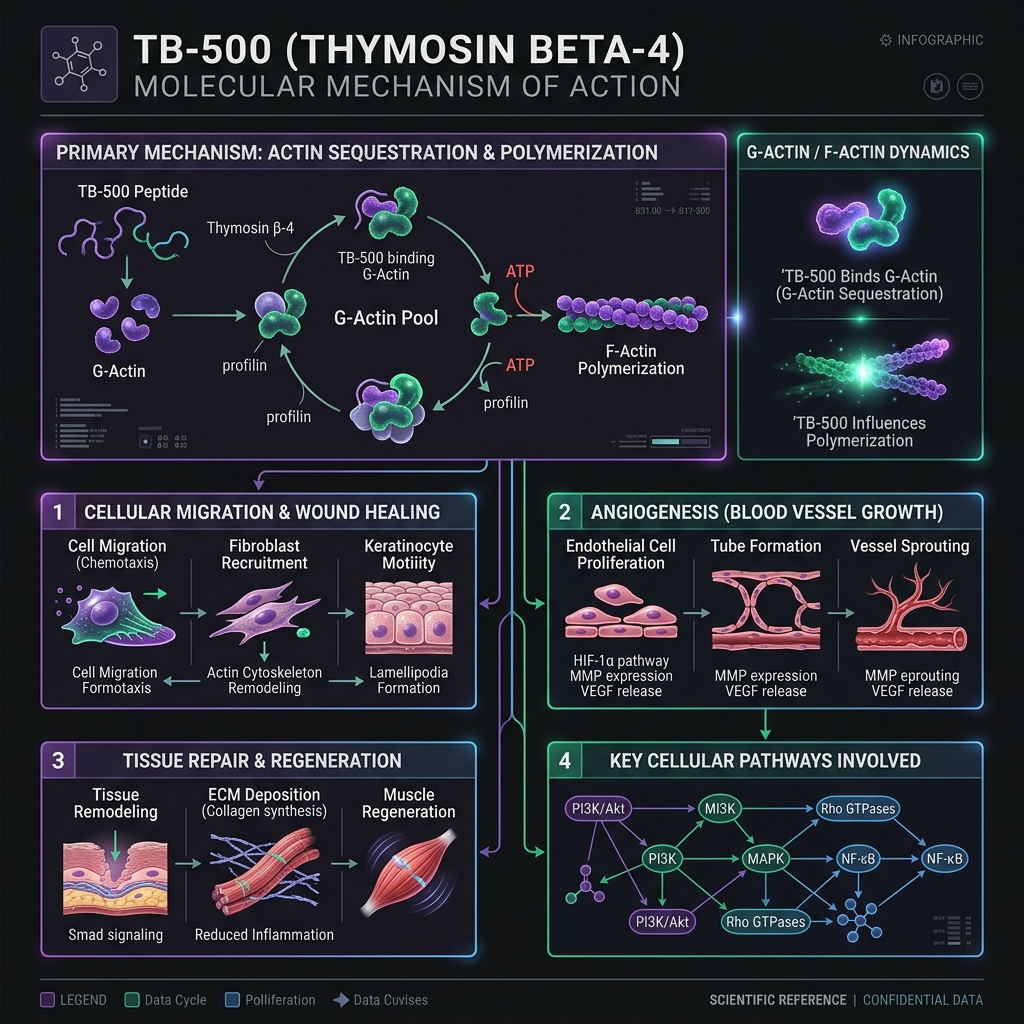
Figure 1: Detailed molecular mechanism pathways of Thymosin Beta-4 (click to enlarge).