Immune ModulationUnregulated/Therapeutic
SS-31
Synonyms: Elamipretide, Bendavia, MTP-131
Sequence: D-Arg-dimethylTyr-Lys-Phe-NH2
History & Discovery Timeline
SS-31 (Elamipretide) was discovered by Dr. Hazel Szeto at Weill Cornell Medical College as part of the Szeto-Schiller peptides in the early 2000s, designed to target the inner mitochondrial membrane.
What it is: It is a synthetic tetrapeptide (D-Arg-dimethylTyr-Lys-Phe-NH2) classified as a mitochondrially-targeted antioxidant. It is categorized under Tissue Repair/Immune.
Proposed Mechanisms & Research Findings: It binds selectively to cardiolipin in the inner mitochondrial membrane, optimizing mitochondrial structure, reducing electron leakage, and suppressing reactive oxygen species (ROS) production.
Regulatory & Safety Status: It is not FDA approved. It has been evaluated in Phase II/III clinical trials for mitochondrial myopathies. Sourcing unregulated forms presents risks of poor quality control.
Athletic & Anti-Doping Status: It is not prohibited by WADA, as it targets cellular respiration and mitochondrial integrity rather than hormonal pathways.
Understanding SS-31 Key Facts
Primary Target System:IMMUNE
Residue Count / Length:6 Amino Acids
Primary Action & Category:Mitochondrial Cardiolipin Stabilizer (Immune Modulation)
Primary Receptors:Cardiolipin Lipid Complex
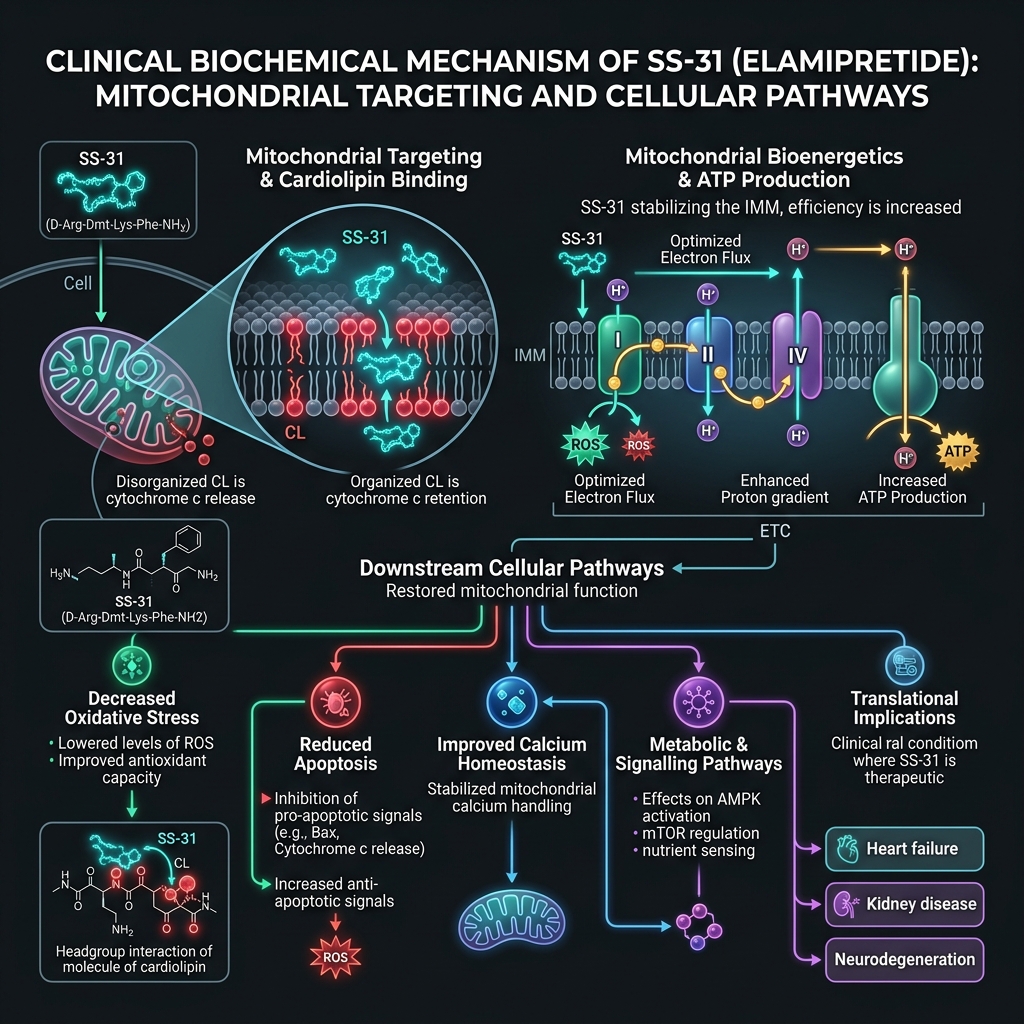
Figure 1: Detailed molecular mechanism pathways of SS-31 (click to enlarge).