Tissue Repair/ImmuneUnregulated/Therapeutic
Semax
Synonyms: ACTH 4-10 heptapeptide derivative
Sequence: Met-Glu-His-Phe-Pro-Gly-Pro
History & Discovery Timeline
Semax was synthesized by the Institute of Molecular Genetics of the Russian Academy of Sciences in 1982. It was developed to create a stable, non-hormonal derivative of adrenocorticotropic hormone (ACTH) for cognitive enhancement.
What it is: Semax is a synthetic heptapeptide (Met-Glu-His-Phe-Pro-Gly-Pro) derived from the ACTH 4-10 fragment. It is a nootropic and neuroprotective peptide administered primarily via nasal spray.
Proposed Mechanisms & Research Findings: It acts as a melanocortin receptor agonist and stimulates the release of Brain-Derived Neurotrophic Factor (BDNF) and Nerve Growth Factor (NGF). It modulates neurotransmitter systems (dopamine and serotonin) and provides robust neuroprotective effects during hypoxia.
Regulatory & Safety Status: It is not FDA approved. In Russia, it is approved for clinical use and is included on the Vital and Essential Drugs list for stroke recovery and cognitive repair. Gray-market sourcing lacks quality control.
Athletic & Anti-Doping Status: Semax is not prohibited by WADA or USADA, but athletes should use caution as it affects central nervous system activity.
Understanding Semax Key Facts
Primary Target System:CNS, IMMUNE
Residue Count / Length:7 Amino Acids
Primary Action & Category:Melanocortin Agonist (Tissue Repair/Immune)
Primary Receptors:Melanocortin MC4 Receptor, TrkB (via BDNF Expression), Leukocyte Melanocortin Receptors
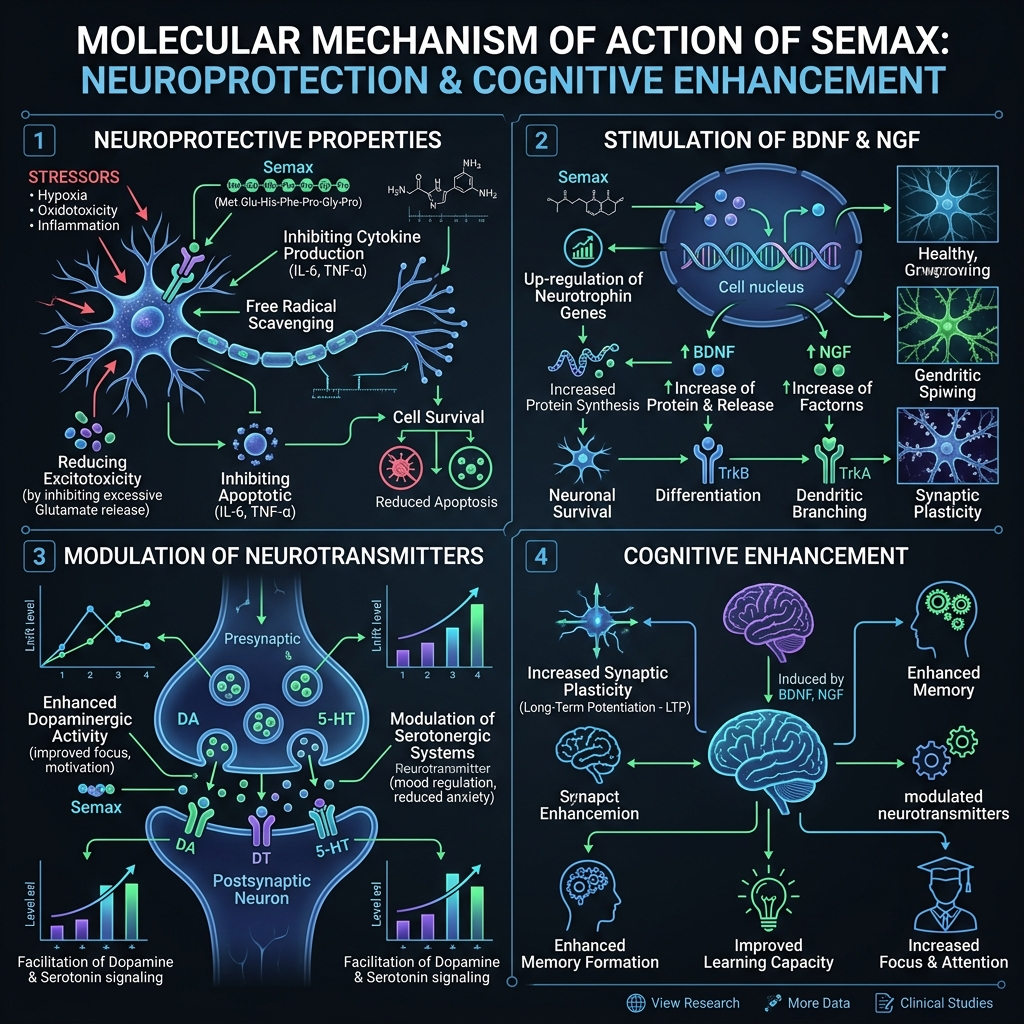
Figure 1: Detailed molecular mechanism pathways of Semax (click to enlarge).