MetabolicUnregulated/Therapeutic
Semaglutide
Synonyms: Ozempic, Wegovy, Rybelsus, NN9535
Sequence: H-His-Aib-Glu-Gly-Thr-Phe-Thr-Ser-Asp-Val-Ser-Ser-Tyr-Leu-Glu-Gly-Gln-Ala-Ala-Lys(AEEAc-AEEAc-gGlu-18-carboxyoctadecanoyl)-Glu-Phe-Ile-Ala-Trp-Leu-Val-Arg-Gly-Arg-Gly-OH
History & Discovery Timeline
Semaglutide was developed by Novo Nordisk in 2012 as a longer-acting alternative to liraglutide, designed to allow once-weekly dosing.
What it is: Semaglutide is a synthetic 31-amino-acid peptide analogue of human GLP-1, modified with a C18 diacid chain to resist enzymatic degradation. It falls under the Metabolic category (brand names Ozempic, Wegovy, Rybelsus).
Proposed Mechanisms & Research Findings: It is a selective GLP-1 receptor agonist that increases insulin secretion in a glucose-dependent manner, suppresses glucagon, slows gastric emptying, and acts on the brain to reduce appetite.
Regulatory & Safety Status: It is FDA approved for Type 2 Diabetes (2017) and obesity/chronic weight management (2021). Sourcing must be done through licensed pharmacies; gray-market non-prescription compounds are unsafe.
Athletic & Anti-Doping Status: It is under WADA monitoring but not prohibited. Athletes must ensure compliance with therapeutic use exemptions if required by specific organizations.
Understanding Semaglutide Key Facts
Primary Target System:NEUROENDOCRINE, CNS
Residue Count / Length:37 Amino Acids
Primary Action & Category:GLP-1 Receptor Agonist (Metabolic)
Primary Receptors:GLP-1 Receptor (GLP1R), Hypothalamic Satiety Receptors
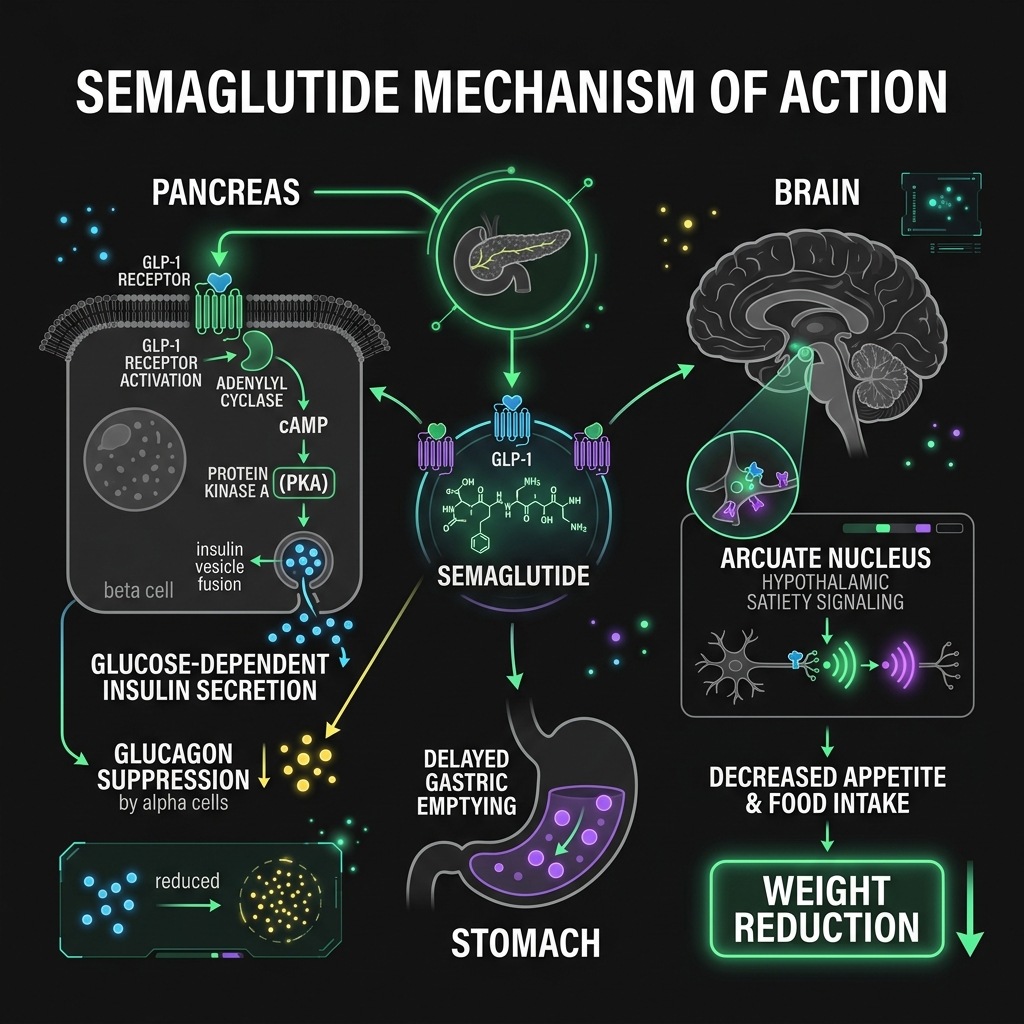
Figure 1: Detailed molecular mechanism pathways of Semaglutide (click to enlarge).