NootropicsUnregulated/Therapeutic
Pinealon
Synonyms: EDR, Glu-Asp-Arg
Sequence: Glu-Asp-Arg
History & Discovery Timeline
Pinealon was developed in the 1980s by Professor Vladimir Khavinson at the St. Petersburg Institute of Bioregulation and Gerontology through research on short pineal-derived peptides.
What it is: It is a synthetic tripeptide (Glu-Asp-Arg) categorized as a nootropic and neuroprotective peptide.
Proposed Mechanisms & Research Findings: It penetrates the blood-brain barrier to regulate gene expression in neurons, protecting against oxidative stress and restoring circadian rhythm control.
Regulatory & Safety Status: It is not FDA approved. Sold globally as a research chemical or dietary supplement. Gray-market online versions pose significant safety risks.
Athletic & Anti-Doping Status: It is not prohibited by WADA, as it does not influence performance metrics or growth hormones.
Understanding Pinealon Key Facts
Primary Target System:CNS
Residue Count / Length:3 Amino Acids
Primary Action & Category:Epigenetic Peptide Bioregulator (Nootropics)
Primary Receptors:Chromatin/DNA Promoter Elements
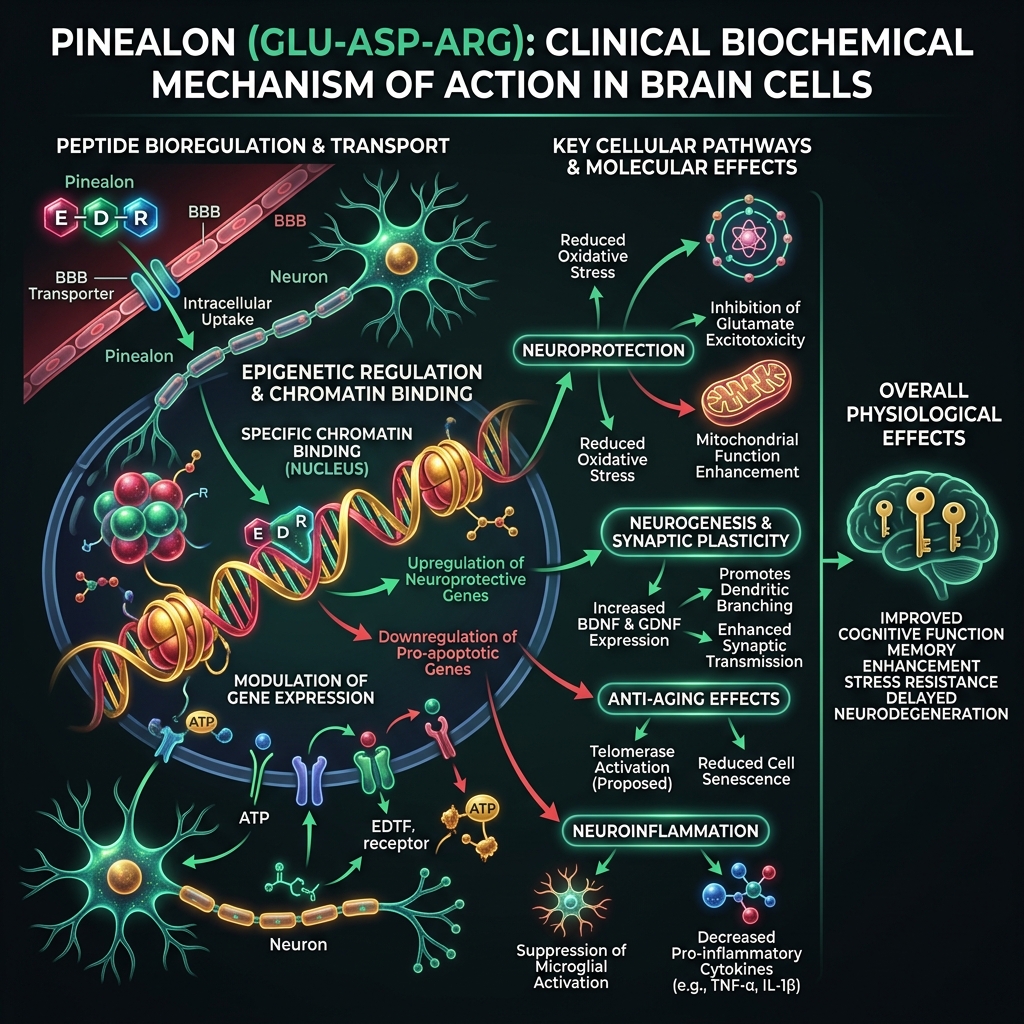
Figure 1: Detailed molecular mechanism pathways of Pinealon (click to enlarge).