NootropicsUnregulated/Therapeutic
Noopept
Synonyms: GVS-111, N-phenylacetyl-L-prolylglycine ethyl ester
Sequence: N-phenylacetyl-L-prolylglycine ethyl ester
History & Discovery Timeline
Noopept was synthesized in Russia in 1996 as a highly potent cognitive enhancer derived from endogenous neuropeptides, acting as a prodrug to cycloprolylglycine.
What it is: It is a synthetic dipeptide derivative (N-phenylacetyl-L-prolylglycine ethyl ester) categorized as a nootropic.
Proposed Mechanisms & Research Findings: It increases expression of NGF and BDNF in the hippocampus, providing neuroprotective effects and enhancing memory consolidation and cognitive flexibility.
Regulatory & Safety Status: It is not FDA approved. In Russia, it is approved as an over-the-counter nootropic. Gray-market online sourcing is common but lacks quality assurance.
Athletic & Anti-Doping Status: It is not prohibited by WADA, although athletes should monitor local athletic commission rules regarding cognitive stimulants.
Understanding Noopept Key Facts
Primary Target System:CNS
Residue Count / Length:4 Amino Acids
Primary Action & Category:Neuropeptide Mimetic (Nootropics)
Primary Receptors:TrkB and TrkA Receptors
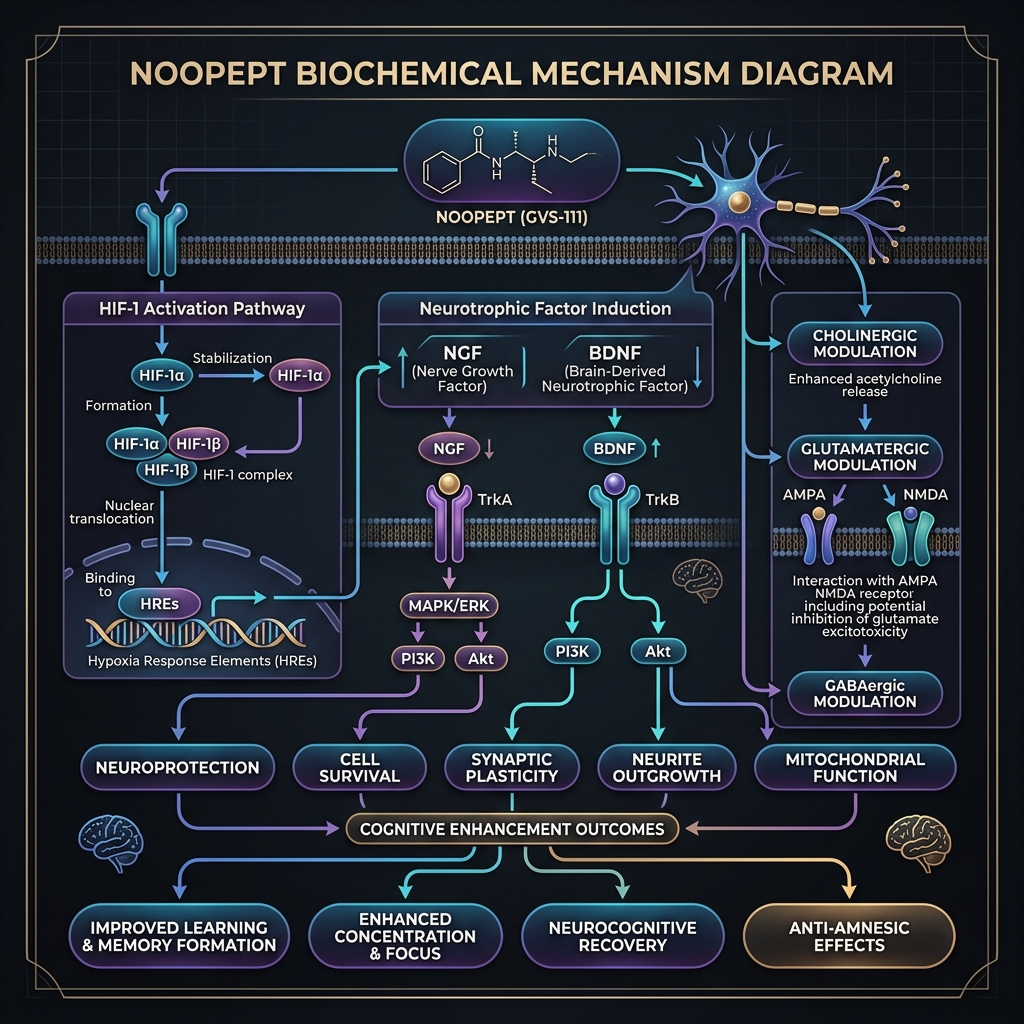
Figure 1: Detailed molecular mechanism pathways of Noopept (click to enlarge).