CosmeticsUnregulated/Therapeutic
Matrixyl
Synonyms: Palmitoyl Pentapeptide-4, Pal-KTTKS
Sequence: Pal-Lys-Thr-Thr-Lys-Ser
History & Discovery Timeline
Matrixyl (Palmitoyl Pentapeptide-4) was developed by Sederma in the early 2000s as a cosmetic peptide (matrikine) to mimic extracellular matrix breakdown products, signaling for repair.
What it is: It is a synthetic palmitoylated pentapeptide (Pal-Lys-Thr-Thr-Lys-Ser) categorized under Anti-aging/Cosmetic.
Proposed Mechanisms & Research Findings: It acts as a matrikine, stimulating fibroblasts to produce collagen, elastin, and glycosaminoglycans, reducing the appearance of skin wrinkles.
Regulatory & Safety Status: It is not FDA approved as a drug, but is widely approved and used in topical cosmetics globally. Sourcing topical cosmetics is safe; injection is not recommended or studied.
Athletic & Anti-Doping Status: It is not prohibited by WADA, as it is a localized cosmetic peptide.
Understanding Matrixyl Key Facts
Primary Target System:CNS
Residue Count / Length:6 Amino Acids
Primary Action & Category:Collagen Synthesis Stimulator (Cosmetics)
Primary Receptors:Fibroblast Extracellular Matrix Receptors
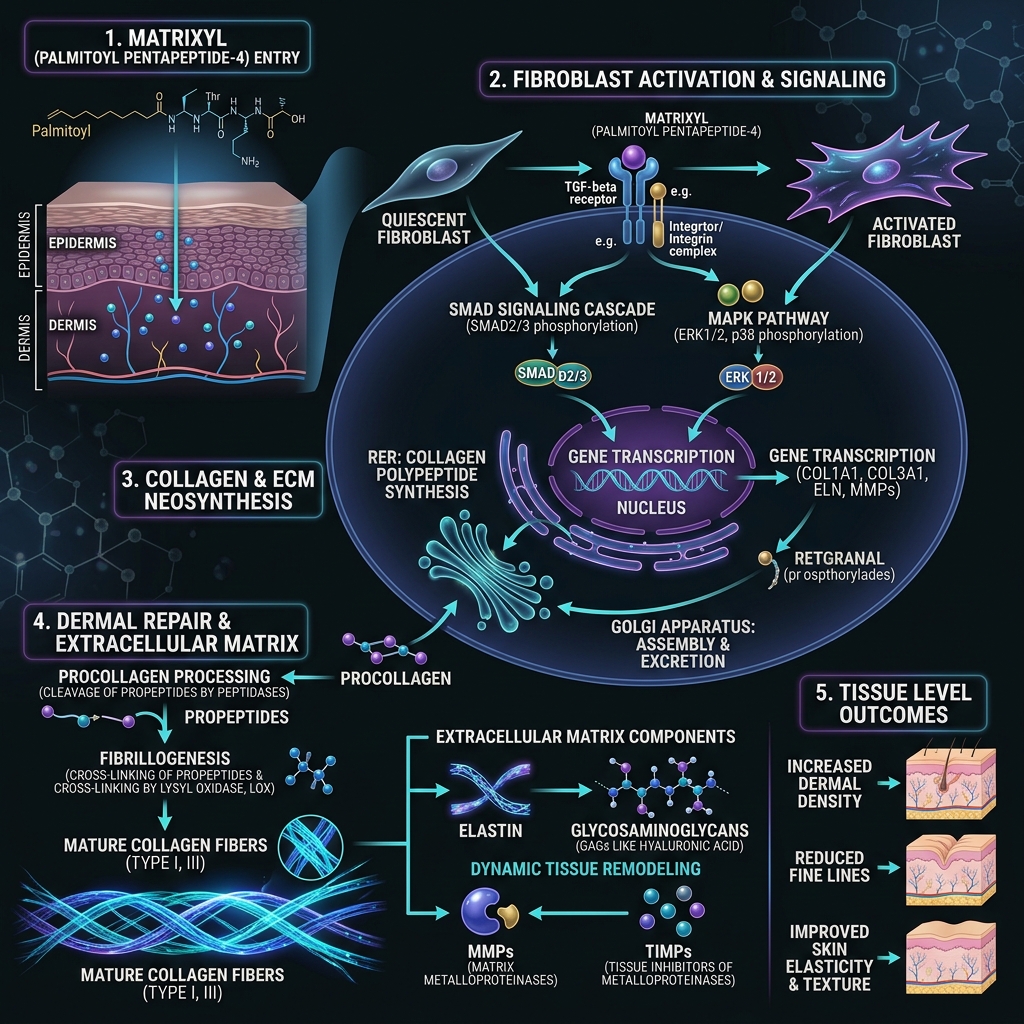
Figure 1: Detailed molecular mechanism pathways of Matrixyl (click to enlarge).