Tissue RepairUnregulated/Therapeutic
Larazotide Acetate
Synonyms: AT-1001, Zonulin Antagonist
Sequence: Gly-Gly-Val-Leu-Val-Gln-Pro-Gly
History & Discovery Timeline
Larazotide Acetate (AT-1001) was identified by Dr. Alessio Fasano and colleagues from a sequence near the carboxyl terminus of the Vibrio cholerae Zonula Occludens Toxin (Zot).
What it is: It is a synthetic octapeptide that acts as a tight junction regulator. It is classified under the Tissue Repair/Immune category.
Proposed Mechanisms & Research Findings: It acts as a tight junction antagonist, preventing the opening of tight junctions in the intestinal mucosa, thereby blocking the passage of inflammatory antigens like gluten.
Regulatory & Safety Status: It is not FDA approved and has been evaluated in Phase III clinical trials for celiac disease. Gray-market forms are highly risky due to lack of dosage control.
Athletic & Anti-Doping Status: It is not prohibited by WADA, as it acts locally in the gut and does not enhance physical performance.
Understanding Larazotide Acetate Key Facts
Primary Target System:IMMUNE
Residue Count / Length:8 Amino Acids
Primary Action & Category:Tight Junction Regulator (Tissue Repair)
Primary Receptors:Zonulin Receptor
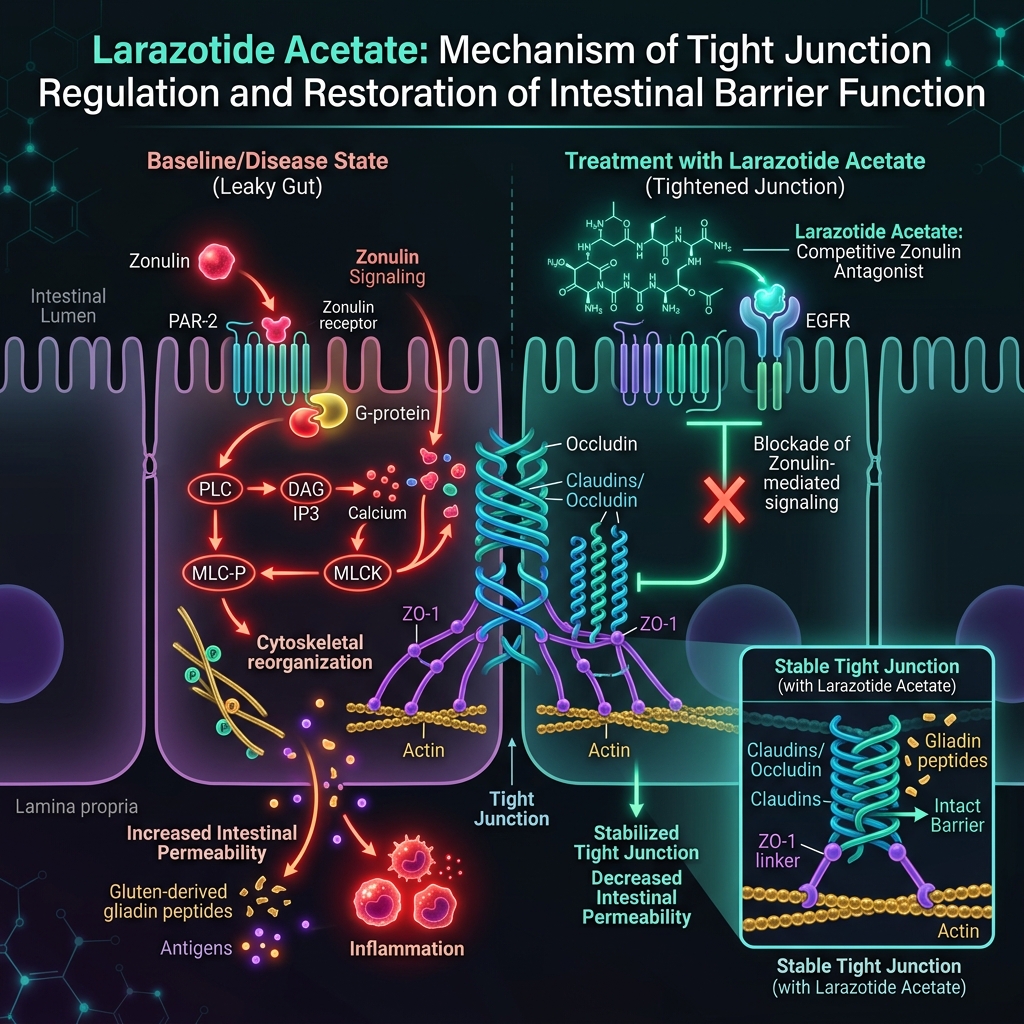
Figure 1: Detailed molecular mechanism pathways of Larazotide Acetate (click to enlarge).