Immune ModulationUnregulated/Therapeutic
Humanin
Synonyms: HN, Mitochondrial-Derived Peptide
Sequence: Met-Ala-Pro-Arg-Gly-Phe-Ser-Cys-Leu-Leu-Leu-Leu-Thr-Ser-Glu-Ile-Asp-Leu-Pro-Val-Lys-Arg-Arg-Ala
History & Discovery Timeline
Humanin was discovered in 2001 by Nishimoto and colleagues in the occipital lobe of Alzheimer's patients, acting as an endogenous cytoprotective factor.
What it is: It is a naturally occurring 24-amino-acid polypeptide encoded by the mitochondrial 16S rRNA gene. It is classified under Tissue Repair/Immune.
Proposed Mechanisms & Research Findings: It acts as a cytoprotective peptide, inhibiting apoptosis by binding to Bax and Bim proteins, and protecting cells against oxidative stress, Alzheimer's toxicity, and inflammation.
Regulatory & Safety Status: It is not FDA approved. It remains an investigational research chemical. Gray-market compounds carry high contamination and non-sterility risks.
Athletic & Anti-Doping Status: It is not prohibited by WADA, as its actions are neuroprotective and cytoprotective.
Understanding Humanin Key Facts
Primary Target System:CNS, IMMUNE
Residue Count / Length:24 Amino Acids
Primary Action & Category:Cytoprotective and Anti-apoptotic Peptide (Immune Modulation)
Primary Receptors:Bax Protein, CNTFR/gp130/WSX-1 Receptor Complex
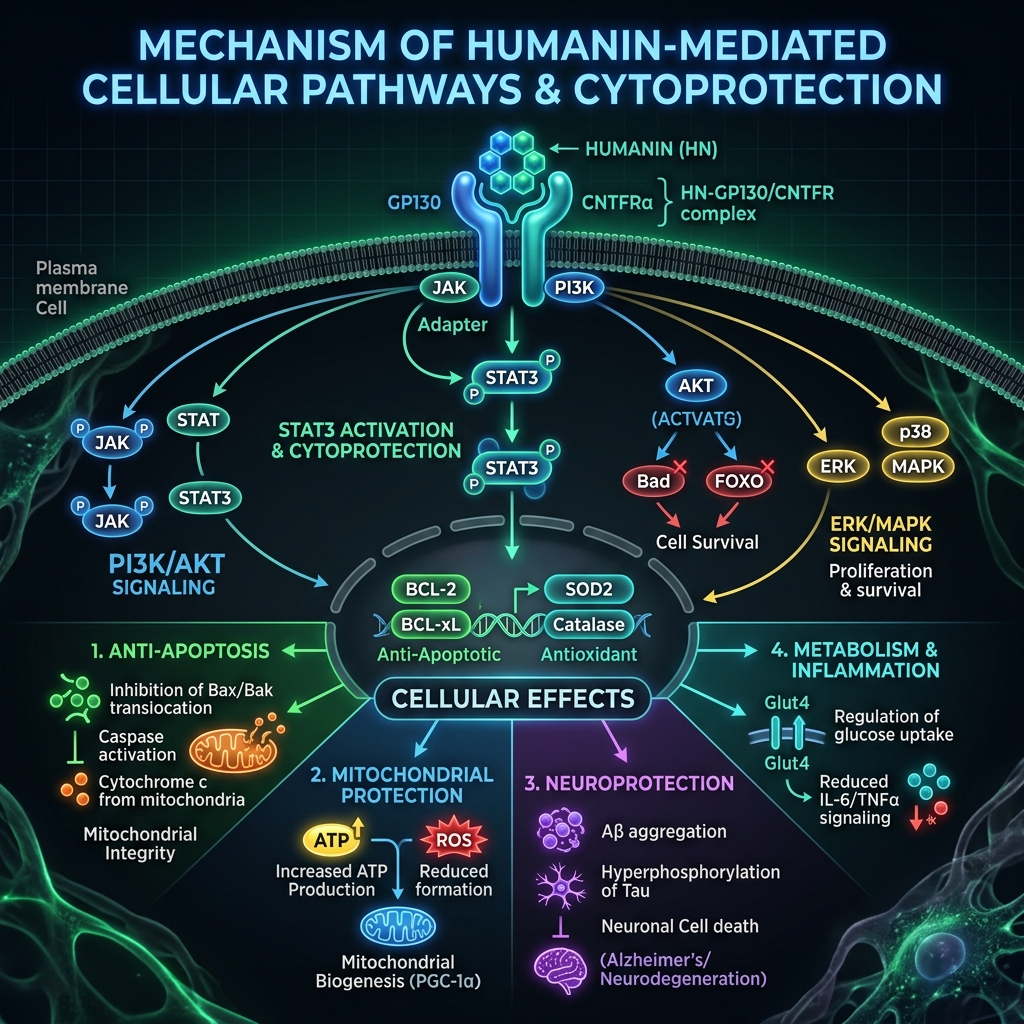
Figure 1: Detailed molecular mechanism pathways of Humanin (click to enlarge).