MetabolicWADA Prohibited
HGH Fragment 176-191
Synonyms: Tyr-hGH 177-191, Lipolytic Fragment, AOD-9604 derivative
Sequence: Tyr-Leu-Arg-Ile-Val-Gln-Cys-Arg-Ser-Val-Glu-Gly-Ser-Cys-Gly-Phe
Critical Safety & Regulatory Notice
HGH Fragment 176-191 is classified as a regulated, unapproved, or research-only substance. Doping/Regulatory Status: Not FDA approved. Strictly prohibited by WADA under Section S2.. Clinical safety profiles for human use are deficient or not approved.
History & Discovery Timeline
HGH Fragment 176-191 was isolated in the late 1990s by Monash University researchers looking to isolate the fat-reducing domain of Growth Hormone without its growth-promoting (IGF-1) properties.
What it is: It is a synthetic peptide containing the last 16 amino acids of the human Growth Hormone C-terminus. It falls under the Metabolic/Adipolytic category.
Proposed Mechanisms & Research Findings: It stimulates lipolysis and inhibits lipogenesis by targeting fat cells directly, without increasing circulating IGF-1 or causing insulin resistance.
Regulatory & Safety Status: It is not FDA approved for human use. It is sold online as a research chemical. Quality and purity are highly variable on the gray market.
Athletic & Anti-Doping Status: Strictly prohibited by WADA under Section S2 as a growth-hormone related substance. Use results in doping sanctions.
Understanding HGH Fragment 176-191 Key Facts
Primary Target System:NEUROENDOCRINE
Residue Count / Length:16 Amino Acids
Primary Action & Category:Growth Hormone Fragment (Lipolytic) (Metabolic)
Primary Receptors:Adipocyte Lipolytic Receptors
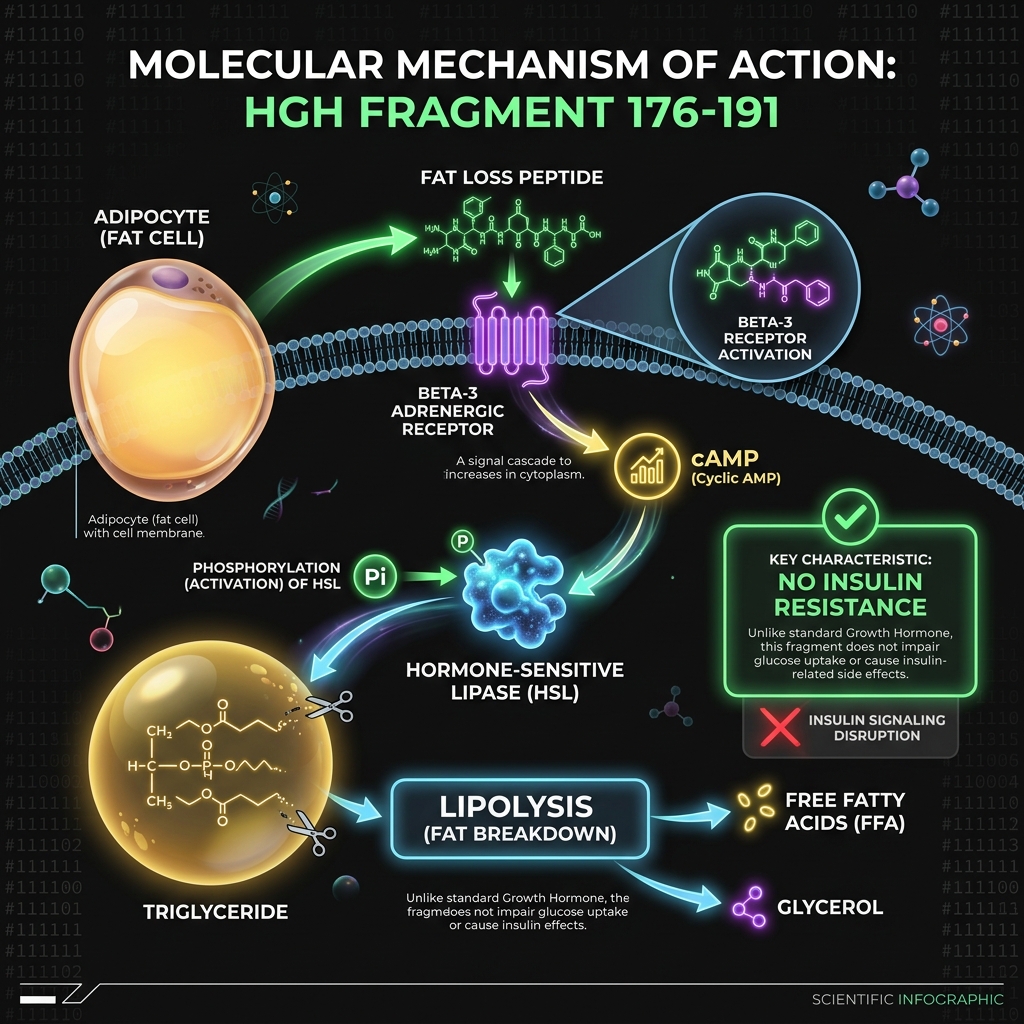
Figure 1: Detailed molecular mechanism pathways of HGH Fragment 176-191 (click to enlarge).