Tissue RepairUnregulated/Therapeutic
GHK-Cu
Synonyms: Copper tripeptide-1, copper peptide, Gly-His-Lys copper
Sequence: Gly-His-Lys
History & Discovery Timeline
GHK-Cu was discovered in 1973 by Dr. Loren Pickart in human plasma. It was isolated during investigations into aging, where it was noted that plasma from young individuals promoted cell regeneration and tissue repair.
What it is: GHK-Cu is a naturally occurring copper-binding tripeptide (glycyl-L-histidyl-L-lysine). It has a high affinity for copper (II) ions and is classified as a carrier peptide. It is widely used in topical cosmetic formulations and tissue repair research.
Proposed Mechanisms & Research Findings: It functions by transporting copper into cells, which is essential for key enzymes like lysyl oxidase (collagen cross-linking) and superoxide dismutase (antioxidant defense). It regulates gene expression, downregulating pro-inflammatory cytokines while upregulating collagen, elastin, and decorin production.
Regulatory & Safety Status: It is not FDA approved as a prescription drug but is widely permitted in topical cosmetic products. Sourcing for injection is strictly restricted to clinical research, as unverified gray-market injectables pose systemic toxicity and infection risks.
Athletic & Anti-Doping Status: GHK-Cu is not prohibited by WADA or USADA. It is permitted for both topical and general use, as it does not act as a growth hormone secretagogue or performance enhancer.
Understanding GHK-Cu Key Facts
Primary Target System:CNS, IMMUNE
Residue Count / Length:3 Amino Acids
Primary Action & Category:Carrier Peptide (Tissue Repair)
Primary Receptors:Integrin receptors, SLC31A1 (Copper transporter), TNF-alpha Receptor Complex
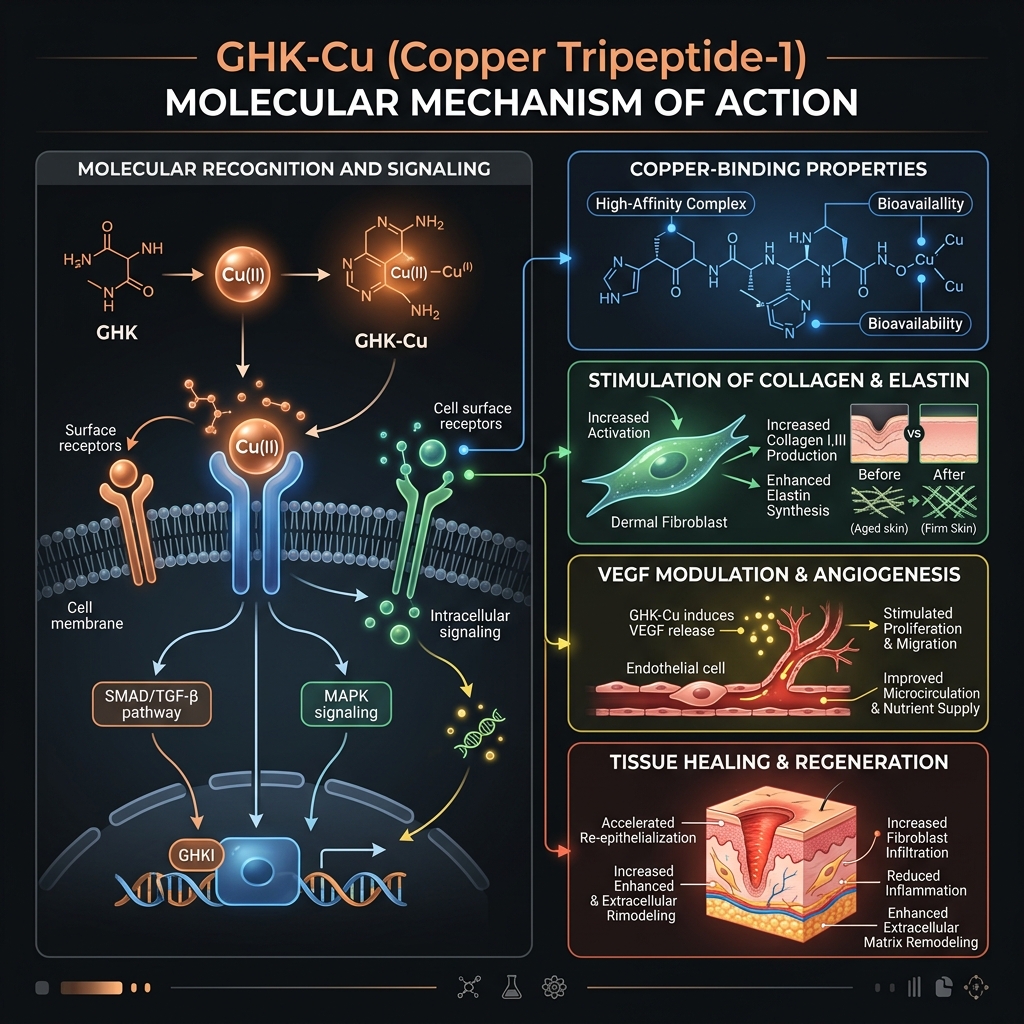
Figure 1: Detailed molecular mechanism pathways of GHK-Cu (click to enlarge).