NootropicsUnregulated/Therapeutic
Dihexa
Synonyms: PNB-0408, Angiotensin IV analog
Sequence: N-hexanoic-Tyr-Ile-(6-aminohexanoic acid) amide
History & Discovery Timeline
Dihexa was synthesized in 2012 by Dr. Joseph Harding and colleagues at Washington State University, designed as a highly blood-brain barrier permeable cognitive enhancer.
What it is: It is a synthetic peptide-derived small molecule (N-hexanoic-Tyr-Ile-amide) that acts as a cognitive enhancer. It is classified under the Tissue Repair/Immune category.
Proposed Mechanisms & Research Findings: It acts as a high-affinity agonist of Hepatocyte Growth Factor (HGF), promoting spinogenesis, synaptogenesis, and neuron survival.
Regulatory & Safety Status: It is not FDA approved and is undergoing preclinical evaluation. Online sourcing lacks clinical oversight and carries risks of unknown neurological side effects.
Athletic & Anti-Doping Status: It is not prohibited by WADA, though it remains under monitoring due to its neurotropic and growth factor actions.
Understanding Dihexa Key Facts
Primary Target System:CNS
Residue Count / Length:6 Amino Acids
Primary Action & Category:c-Met Receptor Agonist (Nootropics)
Primary Receptors:c-Met Receptor (HGF Receptor)
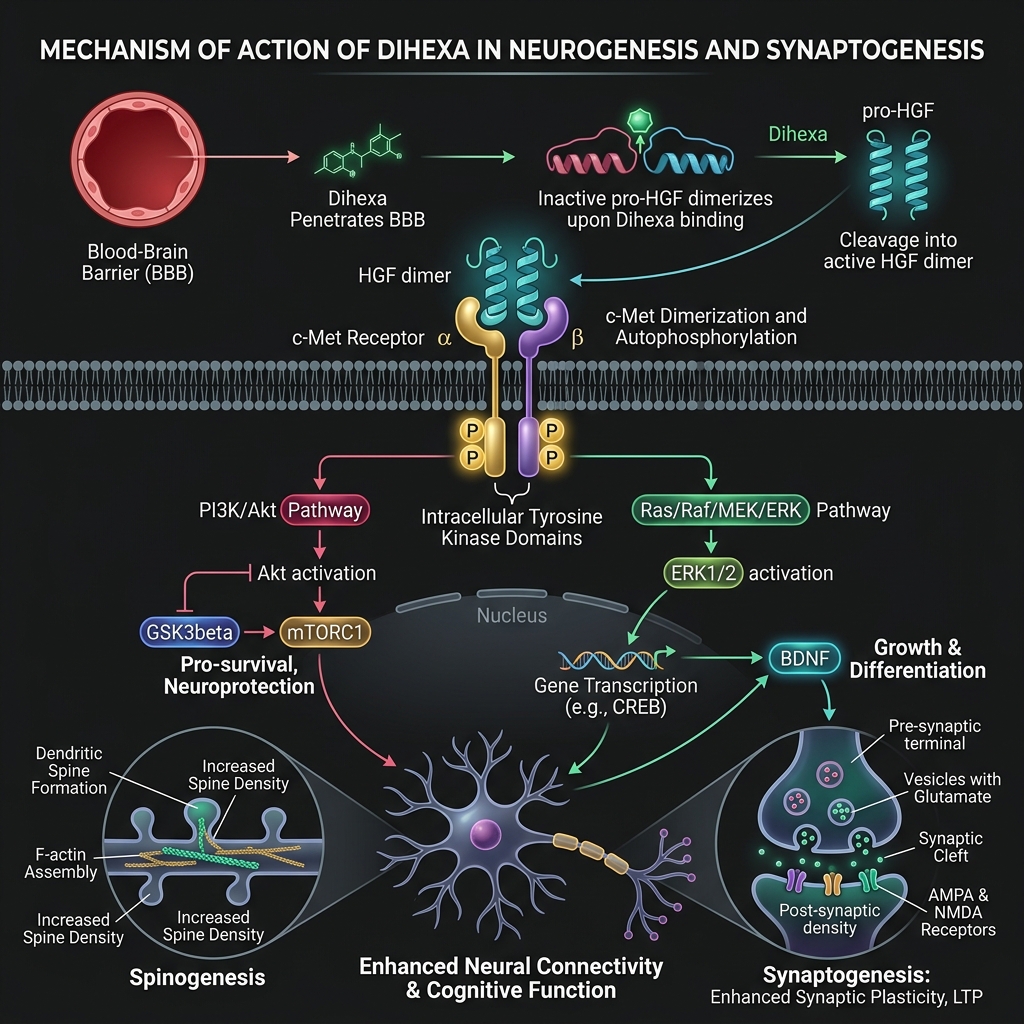
Figure 1: Detailed molecular mechanism pathways of Dihexa (click to enlarge).