Tissue Repair/ImmuneUnregulated/Therapeutic
Cerebrolysin
Synonyms: Brain hydrolysate, N-PEP-12
Sequence: Purified pig brain peptide mixture (primarily neurotrophic peptides)
History & Discovery Timeline
Cerebrolysin was developed in Austria by EBEWE Pharma in 1949. It emerged during research into enzymatic hydrolysates of animal tissues to support neurological rehabilitation.
What it is: Cerebrolysin is a purified mixture of peptidergic compounds obtained from porcine brain proteins. It consists of low-molecular-weight peptides and free amino acids, falling under the neurotrophic peptide category.
Proposed Mechanisms & Research Findings: It exhibits neuroprotective and neurotrophic activity similar to endogenous neurotrophic factors (like BDNF and NGF). It crosses the blood-brain barrier to support neuronal survival, promote synaptic plasticity, and reduce microglial activation.
Regulatory & Safety Status: It is not FDA approved in the United States. However, it is approved for clinical use in over 30 countries across Europe and Asia for acute stroke, traumatic brain injury, and dementia. Sourcing unsterile formulations online poses severe contamination risks.
Athletic & Anti-Doping Status: It is not prohibited by WADA, but intravenous infusions of more than 100 mL per 12-hour period are prohibited unless medically authorized.
Understanding Cerebrolysin Key Facts
Primary Target System:CNS, IMMUNE
Residue Count / Length:1 Amino Acids
Primary Action & Category:Neurotrophic Peptidergic Mixture (Tissue Repair/Immune)
Primary Receptors:TrkB Receptor, TrkA Receptor, Thymic Peptide Receptors
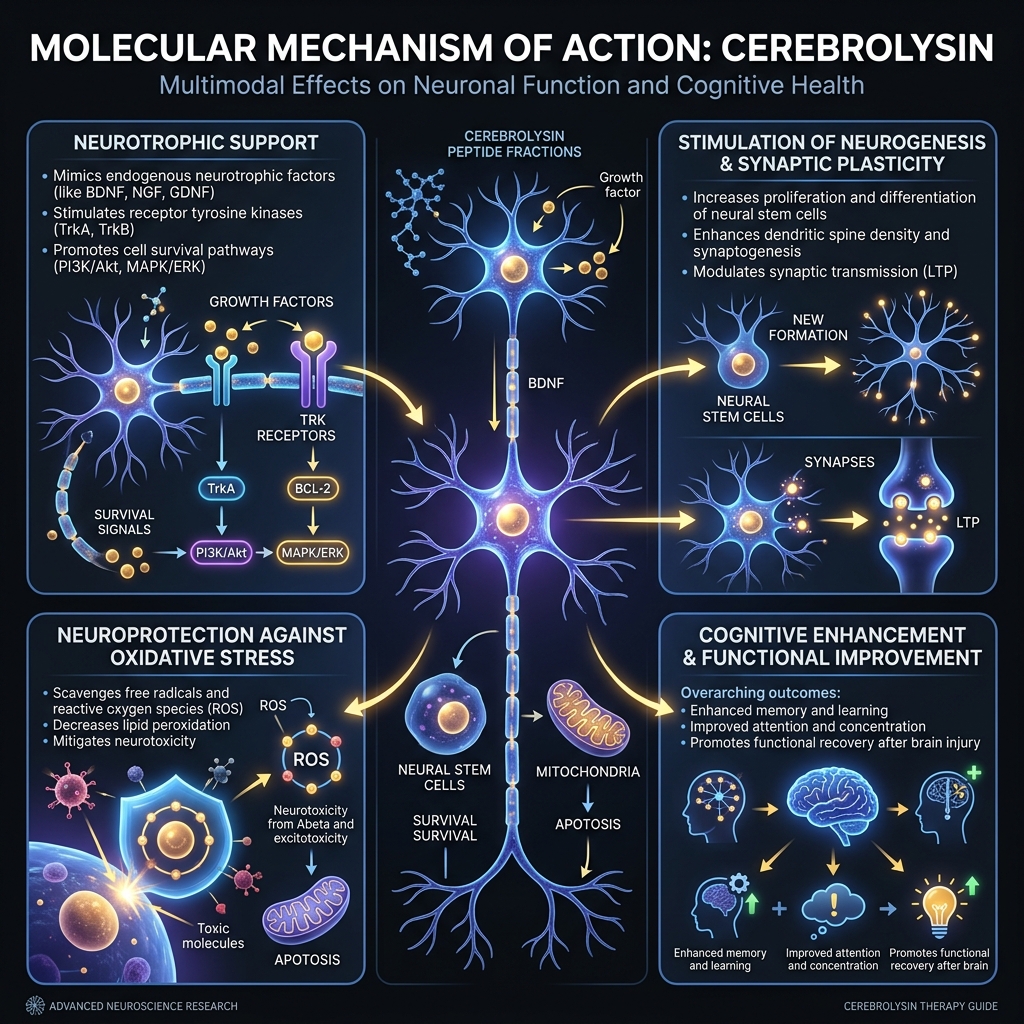
Figure 1: Detailed molecular mechanism pathways of Cerebrolysin (click to enlarge).