Metabolic/AdipolyticWADA Prohibited
AOD-9604
Synonyms: hGH 177-191, Lipotropin fragment
Sequence: Tyr-Leu-Arg-Ile-Val-Gln-Cys-Arg-Ser-Val-Glu-Gly-Ser-Cys-Gly-Phe
Critical Safety & Regulatory Notice
AOD-9604 is classified as a regulated, unapproved, or research-only substance. Doping/Regulatory Status: Not FDA approved. Strictly prohibited by WADA.. Clinical safety profiles for human use are deficient or not approved.
History & Discovery Timeline
AOD-9604 was developed in the late 1990s (specifically 1998) by researchers at Monash University in Australia. The goal was to isolate the fat-burning (lipolytic) properties of Human Growth Hormone without inducing insulin resistance or cellular growth.
What it is: AOD-9604 is a synthetic peptide containing a 16-amino-acid C-terminal fragment of human growth hormone (residues 177-191 with an added tyrosine). It is categorized as an adipolytic peptide designed to promote fat loss.
Proposed Mechanisms & Research Findings: It acts by stimulating beta-3 adrenergic receptors and lipolysis in adipose tissue while inhibiting lipogenesis. Unlike intact growth hormone, it does not bind to the growth hormone receptor, meaning it does not increase IGF-1 levels or promote cellular proliferation.
Regulatory & Safety Status: It is not FDA approved. Clinical development was halted after Phase IIb obesity trials failed to show consistent efficacy across a large population. Sourcing from unregulated online vendors carries high purity risks.
Athletic & Anti-Doping Status: AOD-9604 is strictly prohibited by WADA under Section S2 (Peptide Hormones and Growth Factors) as a growth-hormone related substance. Any use in- or out-of-competition constitutes a doping violation.
Understanding AOD-9604 Key Facts
Primary Target System:NEUROENDOCRINE, IMMUNE
Residue Count / Length:16 Amino Acids
Primary Action & Category:Growth Hormone Fragment (Metabolic/Adipolytic)
Primary Receptors:Beta-3 Adrenergic Receptor (beta3-AR), Adipocyte Membrane Proteins, Cytokine Modulation Sites
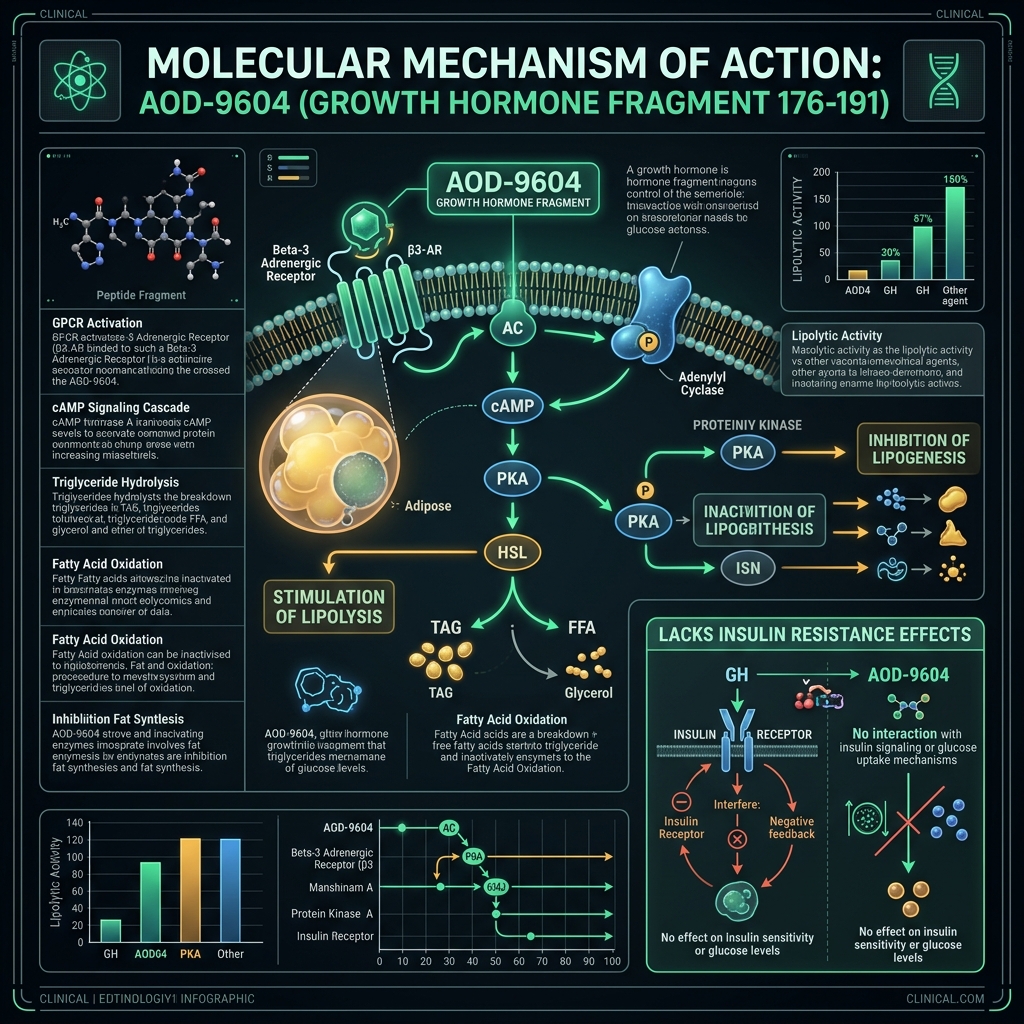
Figure 1: Detailed molecular mechanism pathways of AOD-9604 (click to enlarge).